
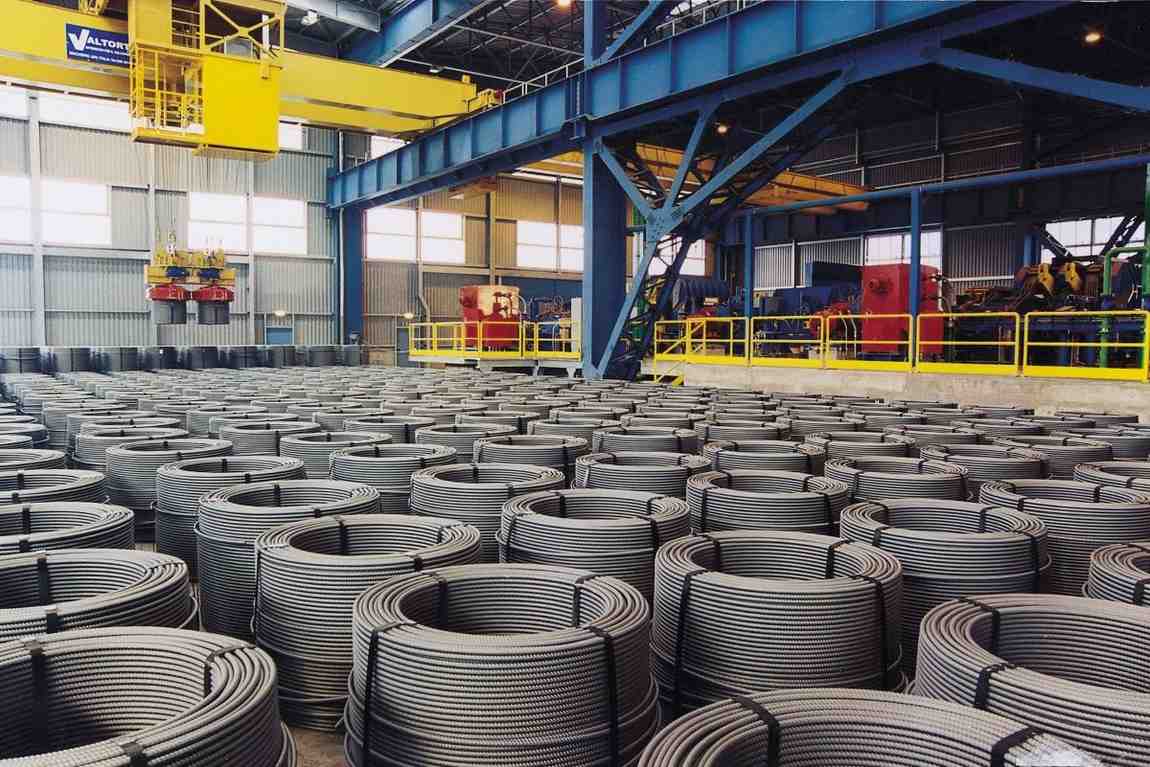
What does “rebar” actually mean?
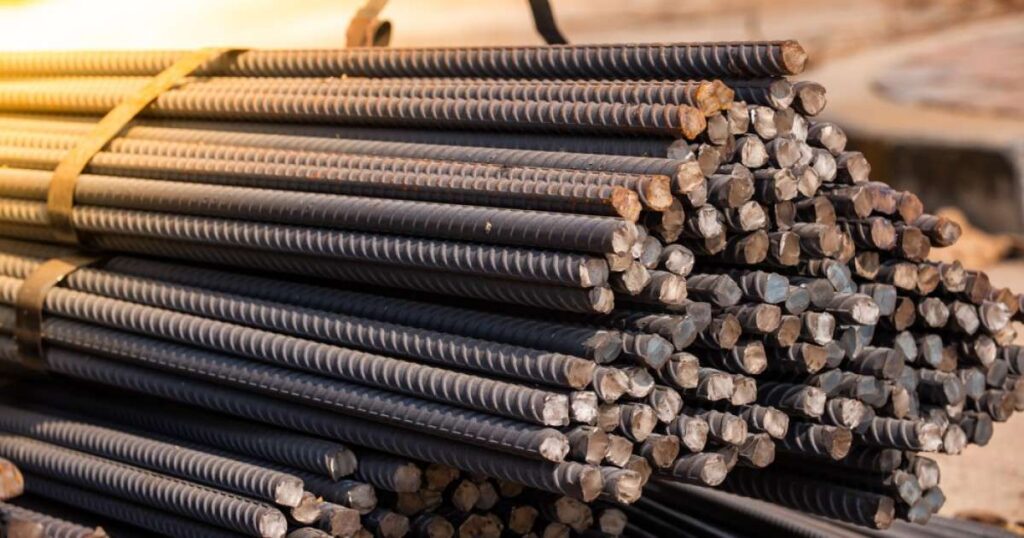
Rebar is short for reinforcing bar: ribbed steel rods placed in concrete to resist tensile forces. They are typically supplied in standard diameters and grades, cut and bent to shape, then tied into cages or mats before the pour.
Because the ribs bond well with concrete, rebar is especially effective where loads, spans, or cracking risk are high.
What do people mean by “traditional reinforcement”?
“Traditional reinforcement” usually means reinforcement methods commonly used before detailed engineered reo bar cages became routine on every job. In modern usage, it often points to welded wire mesh, basic reo bar layouts with minimal bending, or simpler tie-and-stirrup arrangements in smaller elements.
It can also be used loosely to mean “conventional steel reinforcement” in general, including standard reo bar, as opposed to newer options like fibres or FRP bars.
How do rebar and welded mesh differ in real builds?
Rebar consists of individual bars that can be placed exactly where tension is expected. Welded mesh is a factory-made grid, quick to lay across slabs but less flexible around openings, edges, and complex geometry.
On site, rebar requires more labour in tying and spacing, but it gives engineers finer control. Mesh is quicker for large flat areas, but it can end up wrongly positioned if chairs and cover are not managed carefully.
Which one performs better structurally?
Rebar usually wins where structural demands vary across a member, because bar sizes, spacing, and placement can be tailored. Mesh performs well for crack control and distribution in slabs, but it is not always ideal for concentrated loads, punching shear zones, or thick sections where reinforcement needs multiple layers.
In most engineered structures, the best performance comes from matching the reinforcement type to the load path rather than choosing one system everywhere.
How do they compare on crack control and durability?
Both can control cracking, but in different ways. Mesh is often used to distribute shrinkage cracking across slabs. Rebar is commonly detailed to control flexural cracking in beams, walls, and heavily loaded slabs.
Durability depends less on the type and more on correct cover, compaction, and exposure detailing. Poor placement, inadequate cover, and site damage to coatings cause more durability failures than the choice between mesh and bars.
What about installation speed and labour costs?
Mesh is typically faster to install on broad, open slabs, which can reduce labour hours. Rebar is slower because it involves cutting, bending, placing, tying, and checking bar schedules.
However, rebar can reduce rework on complicated layouts. When a slab has many penetrations, changes in levels, or heavy point loads, mesh can become time-consuming to cut and patch, which narrows the speed advantage.
How do they differ in quality control on site?
Rebar cages are easier to inspect against drawings because bar marks, diameters, laps, and spacing can be checked locally. Mesh can be harder to verify once it has been cut, lapped, and walked on, and it is common for mesh to end up too low in the slab if it is not properly supported.
In both systems, the biggest site risk is reinforcement moving during the pour, so fixing chairs and supervision matter.
Are there cases where “traditional reinforcement” is not steel at all?
Yes, sometimes “traditional” is used in contrast to “rebar” to describe older non-bar methods such as fibres in certain slabs, or historically, even materials like bamboo in low-cost construction contexts. In modern regulated construction, structural reinforcement is usually steel, but alternatives exist.
Engineers may specify steel fibres, glass or basalt fibres, or FRP bars for corrosion resistance, but those are generally treated as alternatives rather than traditional options.
See Also : Hybrid FRP reinforcing bars for concrete structures – Swinburne
Which option suits slabs, beams, columns, and walls best?
Rebar is the default choice for beams, columns, and walls because these elements need precise bar placement, anchorage, and confinement detailing. Mesh is most common in ground-bearing slabs, topping slabs, and lightly loaded suspended slabs where distribution reinforcement is the main goal.
Many projects use both: mesh for slab temperature and shrinkage control, and rebar for band beams, perimeters, openings, and high-stress zones.
How should they decide what to use?
They should start with the structural design, exposure class, and construction constraints. If the element needs tailored reinforcement, complex detailing, or high capacity, rebar is usually the clearer fit. If speed matters and the slab is simple with predictable loading, mesh can be efficient.
The safest rule is simple: the reinforcement should follow the engineer’s specification, and the build should prioritise correct placement, cover, laps, and inspection over the label of “rebar” versus “traditional reinforcement”.
More to Read : How LVL Timber Formwork Improves Strength and Efficiency
FAQs (Frequently Asked Questions)
What is the actual meaning of ‘rebar’ in reinforced concrete?
Rebar, short for reinforcing bar, refers to ribbed steel rods placed within concrete to resist tensile forces. These bars are supplied in standard diameters and grades, cut and bent to shape, then tied into cages or mats before pouring. The ribs on rebar bond well with concrete, making them especially effective where loads, spans, or cracking risks are high.
How does ‘traditional reinforcement’ differ from rebar in construction?
‘Traditional reinforcement’ typically refers to older or more general reinforcement systems used before detailed engineered rebar cages became common. This includes methods like welded wire mesh, basic bar layouts with minimal bending, and simpler tie-and-stirrup arrangements. It can also broadly mean conventional steel reinforcement as opposed to newer materials like fibres or FRP bars.
In what ways do rebar and welded mesh differ during installation on site?
Rebar consists of individual bars that can be precisely placed where tension is expected, requiring more labour for cutting, bending, tying, and spacing. Welded mesh is a factory-made grid that’s quicker to lay across large flat slabs but less flexible around openings and complex geometries. Mesh installation demands careful management of chairs and cover to ensure correct positioning.
Which reinforcement type offers better structural performance: rebar or welded mesh?
Rebar generally performs better where structural demands vary across a member because bar sizes, spacing, and placement can be tailored for specific loads. Welded mesh excels at crack control and distribution in slabs but may not be ideal for concentrated loads, punching shear zones, or thick sections needing multiple reinforcement layers. Optimal performance comes from matching reinforcement type to the load path rather than using one system everywhere.
How do rebar and welded mesh compare regarding crack control and durability?
Both rebar and welded mesh help control cracking but in different ways. Mesh is often used to distribute shrinkage cracking across slabs, while rebar is detailed to manage flexural cracking in beams, walls, and heavily loaded slabs. Durability depends more on correct cover, compaction, exposure detailing, proper placement, and protection against site damage than on the choice between mesh and bars.
What factors influence the choice between using rebar or traditional reinforcement methods?
The choice depends on structural design requirements, exposure class, construction constraints, and element complexity. Rebar suits elements needing tailored reinforcement with precise placement and high capacity like beams, columns, and walls. Traditional methods like welded mesh are efficient for simple slabs with predictable loading where speed matters. Ultimately, following the engineer’s specifications and ensuring correct placement and inspection are paramount over simply choosing ‘rebar’ versus ‘traditional reinforcement.’